1. Overview of Renewable Energy Sources
In the modern era, the demand for energy has increased significantly due to population growth, industrialization and technological advancement. Traditionally, fossil fuels such as coal, oil and natural gas have been the primary sources of energy. However, these resources are finite and contribute heavily to environmental pollution and climate change. As a result, the world is shifting towards renewable energy sources, which are sustainable, eco-friendly and abundant.
Renewable energy refers to energy derived from natural processes that are continuously replenished. The main types of renewable energy sources include solar energy, wind energy, hydropower, geothermal energy and biomass energy. Each of these sources has unique characteristics, advantages and applications.
Solar energy is one of the most abundant and widely available renewable resources. It originates from the sun and can be harnessed using various technologies. Wind energy, on the other hand, uses the kinetic energy of moving air to generate electricity through turbines. Hydropower utilizes flowing water, typically from rivers or dams, to produce energy. Geothermal energy is derived from heat stored beneath the Earth’s surface, while biomass energy is obtained from organic materials such as plant and animal waste.
The transition to renewable energy sources is essential for reducing greenhouse gas emissions and combating global warming. Unlike fossil fuels, renewable energy sources produce little to no pollution. Additionally, they help reduce dependence on imported fuels, thereby enhancing energy security.
Among all renewable sources, solar energy stands out due to its versatility and scalability. It can be used for both small-scale residential applications and large-scale industrial power generation. Furthermore, solar energy systems can be installed in remote areas where access to conventional electricity is limited.
In recent years, governments and organizations worldwide have been investing heavily in renewable energy projects. Policies such as subsidies, tax incentives and renewable energy targets have accelerated the adoption of clean energy technologies. As technology continues to advance, the efficiency and affordability of renewable energy systems are improving, making them more accessible to people across the globe.
Renewable energy sources play a important role in creating a sustainable future. Among them, solar energy is particularly significant due to its abundance, accessibility and potential to meet the world’s growing energy needs.
6 Reasons to Show the Importance of Solar Energy
Renewable and Unlimited Source
Solar energy comes directly from the sun, which is an inexhaustible resource. Unlike fossil fuels, it will not run out anytime soon. As long as the sun exists, we can harness its energy, making it a long-term solution for global energy needs.
2. Environmentally Friendly
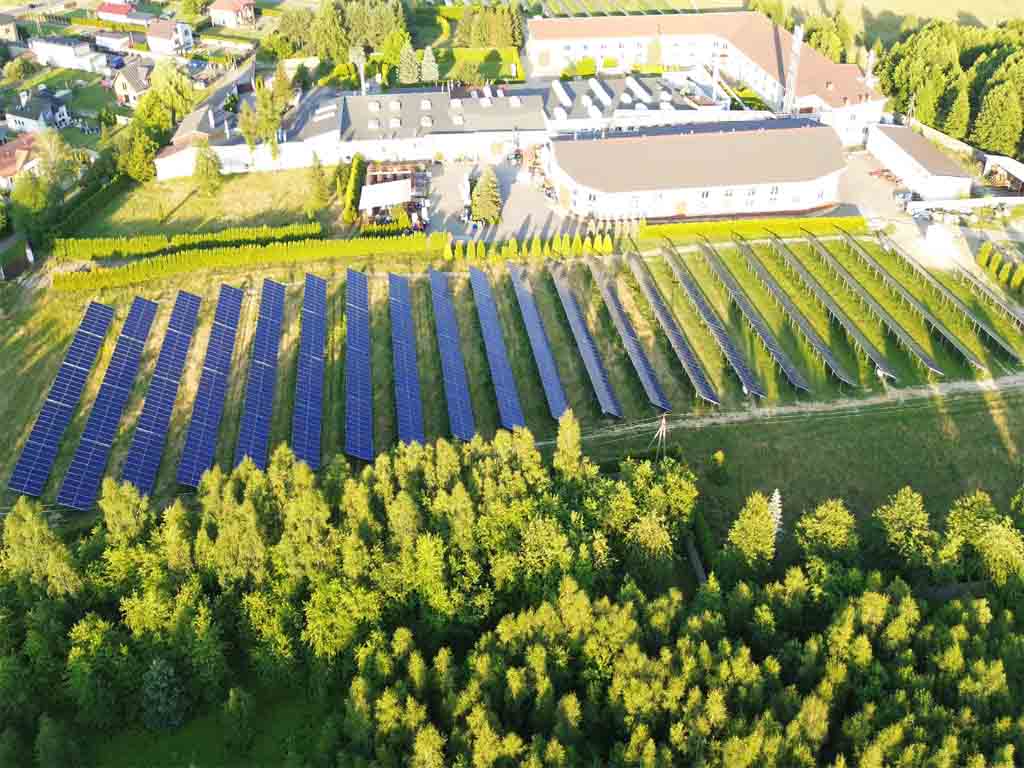
Solar energy is clean and green. It does not produce harmful greenhouse gases or air pollution during operation. This helps reduce global warming, climate change and environmental damage, making it one of the safest energy sources.
Reduces Electricity Bills
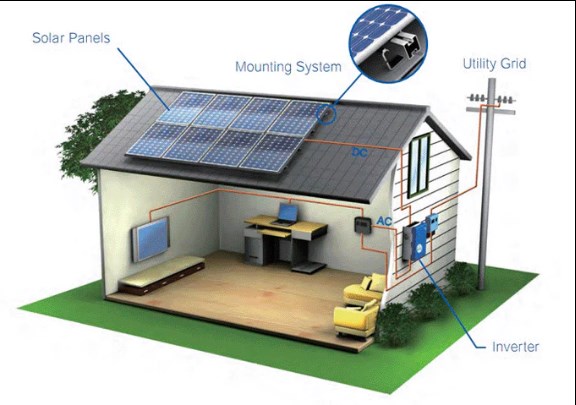
Installing solar panels allows households and businesses to generate their own electricity. This significantly reduces monthly electricity bills and in some cases, users can even sell excess energy back to the grid.
Low Maintenance Cost
Solar energy systems require minimal maintenance. Once installed, they can last 20–30 years with only occasional cleaning and basic servicing, making them cost-effective over time.
Energy Independence

Solar energy reduces dependence on imported fuels and centralized power systems. It allows individuals, communities, and even countries to become more energy independent, especially in remote or rural areas.
Job Creation and Economic Growth
The solar industry creates jobs in manufacturing, installation, maintenance and research. As demand grows, it boosts the economy and provides employment opportunities worldwide.
2. Solar Radiation and Energy Conversion
Solar radiation is the fundamental source of solar energy. It refers to the electromagnetic energy emitted by the sun, which travels through space and reaches the Earth’s surface. This radiation consists of different wavelengths, including visible light, ultraviolet (UV) and infrared (IR) radiation.
When solar radiation reaches the Earth, it interacts with the atmosphere, where some of it is absorbed, scattered or reflected. The remaining portion reaches the Earth’s surface and can be harnessed for energy generation. The intensity of solar radiation varies depending on factors such as geographic location, time of day, season and weather conditions.
The process of converting solar radiation into usable energy involves several technologies and mechanisms. The two primary methods of solar energy conversion are photovoltaic (PV) conversion and solar thermal conversion.
Photovoltaic conversion involves the direct conversion of sunlight into electricity using semiconductor materials. When sunlight strikes a photovoltaic cell, it excites electrons within the material, creating an electric current. This process is known as the photovoltaic effect.
Solar thermal conversion, on the other hand, involves using sunlight to generate heat. This heat can be used directly for applications such as water heating or can be converted into electricity using steam turbines.
The efficiency of solar energy conversion depends on several factors, including the type of technology used, the angle and orientation of solar panels and environmental conditions. Advances in materials science and engineering have led to the development of more efficient solar cells and systems.
Understanding solar radiation and energy conversion is essential for optimizing the performance of solar energy systems. Engineers and scientists continuously work to improve the efficiency and reliability of these systems to maximize energy output.
In addition to technological advancements, proper system design and installation play a critical role in ensuring optimal performance. Factors such as shading, panel orientation and maintenance must be carefully considered.
Overall, solar radiation provides a vast and renewable source of energy. By effectively converting this energy into usable forms, we can reduce our reliance on non-renewable resources and move towards a more sustainable future.
3. Photovoltaic (PV) Systems Explained
Photovoltaic (PV) systems are one of the most widely used technologies for harnessing solar energy. These systems convert sunlight directly into electricity using solar panels composed of photovoltaic cells.
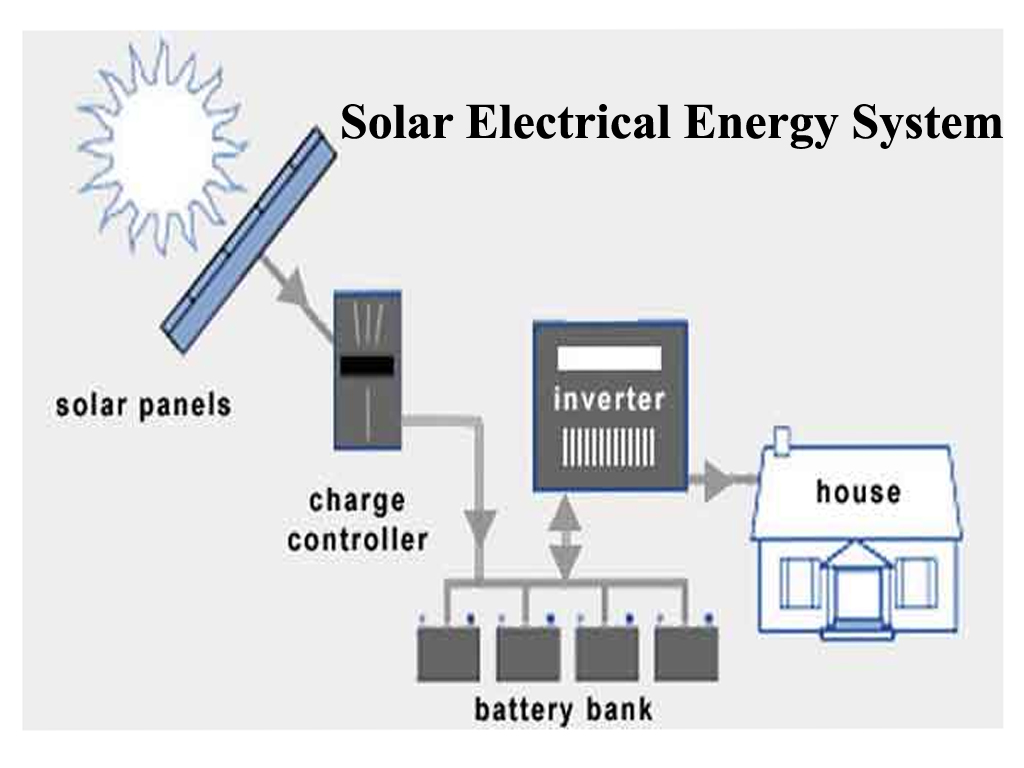
A typical PV system consists of several key components, including solar panels, an inverter, a mounting structure and electrical wiring. In some cases, batteries are also included for energy storage.
Solar panels are made up of multiple photovoltaic cells, which are typically made from silicon. When sunlight strikes these cells, it generates an electric current through the photovoltaic effect. The electricity produced by solar panels is in the form of direct current (DC).
However, most household appliances and electrical systems operate on alternating current (AC). Therefore, an inverter is used to convert the DC electricity into AC electricity. This converted electricity can then be used to power homes, businesses and other applications.
There are different types of PV systems, including grid-connected systems, off-grid systems and hybrid systems. Grid-connected systems are linked to the local electricity grid and allow users to draw power from the grid when solar energy is insufficient. Off-grid systems operate independently and are commonly used in remote areas. Hybrid systems combine both grid connectivity and energy storage.
One of the major advantages of PV systems is their scalability. They can be installed on rooftops, open fields or even integrated into building materials. Additionally, PV systems require minimal maintenance and have a long lifespan, typically ranging from 20 to 30 years.
Despite their advantages, PV systems also face some challenges. The initial installation cost can be high, although prices have been decreasing over time. Additionally, the efficiency of solar panels can be affected by factors such as temperature, shading and dust accumulation.
Recent advancements in PV technology have led to the development of more efficient and cost-effective solar cells. Innovations such as thin-film solar cells, bifacial panels and perovs kite solar cells are paving the way for the future of solar energy.
Photovoltaic systems are a key component of solar energy technology. They provide a clean, reliable and sustainable source of electricity, making them an essential part of the global transition to renewable energy.
4. Solar Thermal Energy Systems
Solar thermal energy systems harness sunlight to generate heat, which can be used for various applications, including water heating, space heating and electricity generation. Unlike photovoltaic systems, which produce electricity directly, solar thermal systems focus on heat energy.
There are several types of solar thermal systems, including flat-plate collectors, evacuated tube collectors and concentrated solar power (CSP) systems.
Flat-plate collectors are the most common type of solar thermal system. They consist of a flat surface that absorbs sunlight and converts it into heat. This heat is then transferred to a fluid, usually water or air, which can be used for heating purposes.
Evacuated tube collectors are more advanced and efficient than flat-plate collectors. They consist of a series of glass tubes with a vacuum inside, which reduces heat loss and improves efficiency. These systems are particularly effective in colder climates.
Concentrated solar power (CSP) systems use mirrors or lenses to focus sunlight onto a small area, generating high temperatures. This heat is used to produce steam, which drives a turbine to generate electricity. CSP systems are typically used in large-scale power plants.
One of the main advantages of solar thermal systems is their efficiency in converting sunlight into heat. They can achieve higher efficiency levels compared to photovoltaic systems in certain applications. Additionally, solar thermal systems can be integrated with existing heating systems, making them a practical solution for residential and commercial use.
However, solar thermal systems also have some limitations. They require a consistent supply of sunlight and may not perform well in cloudy or rainy conditions. Additionally, the installation and maintenance of certain systems, such as CSP plants, can be complex and costly.
Despite these challenges, solar thermal technology continues to evolve. Innovations in materials and system design are improving efficiency and reducing costs. Furthermore, the integration of thermal energy storage systems allows for the use of solar heat even when sunlight is not available.
Solar thermal energy systems play a vital role in harnessing solar energy for heating and power generation. They complement photovoltaic systems and contribute to a diversified and sustainable energy portfolio.
5. Environmental and Economic Benefits of Solar Energy
Solar energy offers numerous environmental and economic benefits, making it one of the most attractive renewable energy sources.
From an environmental perspective, solar energy is clean and sustainable. It does not produce greenhouse gas emissions during operation, which helps reduce the impact of climate change. Unlike fossil fuels, solar energy does not release harmful pollutants such as sulfur dioxide, nitrogen oxides or particulate matter.
Additionally, solar energy reduces the need for water in energy production. Traditional power plants require large amounts of water for cooling, whereas solar PV systems use little to no water. This is particularly important in regions facing water scarcity.
Solar energy also helps preserve natural resources. By reducing dependence on fossil fuels, it minimizes the environmental damage caused by mining, drilling and transportation.
From an economic standpoint, solar energy provides significant advantages. Although the initial installation cost can be high, the long-term savings are substantial. Solar systems reduce electricity bills and can even generate income through net metering, where excess energy is fed back into the grid.
The solar industry also creates job opportunities in manufacturing, installation, maintenance and research. As the demand for solar energy continues to grow, so does the need for skilled workers in this field.
Furthermore, solar energy contributes to energy independence. Countries that invest in solar technology can reduce their reliance on imported fuels, improving their economic stability.
Technological advancements and economies of scale have significantly reduced the cost of solar energy in recent years. As a result, solar power is becoming increasingly competitive with traditional energy sources.
In developing countries, solar energy plays a crucial role in providing access to electricity in remote and rural areas. Small-scale solar systems can power homes, schools and healthcare facilities, improving quality of life and supporting economic development.
Overall, the environmental and economic benefits of solar energy make it a key solution for sustainable development. It not only addresses environmental challenges but also supports economic growth and social progress.
6. Future Scope of Solar Energy Systems
The future of solar energy systems is promising, with continuous advancements in technology and increasing global adoption. As the world moves towards a more sustainable energy future, solar energy is expected to play a central role.
One of the key areas of development is improving the efficiency of solar panels. Researchers are exploring new materials and technologies, such as perovskite solar cells, which have the potential to achieve higher efficiency at lower costs.
Energy storage is another critical area of focus. The integration of advanced battery systems allows solar energy to be stored and used when sunlight is not available. This addresses one of the main limitations of solar energy, its intermittency.
Smart grid technology is also enhancing the integration of solar energy into existing power systems. Smart grids enable better management of energy supply and demand, improving reliability and efficiency.
In addition to technological advancements, policy and regulatory support are driving the growth of solar energy. Governments worldwide are setting ambitious renewable energy targets and providing incentives to encourage investment in solar projects.
The concept of building-integrated photovoltaic (BIPV) is gaining popularity. This involves integrating solar panels into building materials such as roofs, windows and facades. BIPV systems offer both functional and aesthetic benefits.
Floating solar farms are another innovative solution. These systems are installed on water bodies, such as lakes and reservoirs, reducing land use and improving efficiency due to the cooling effect of water.
Space-based solar power is an emerging concept that involves collecting solar energy in space and transmitting it to Earth. Although still in the experimental stage, it has the potential to provide a continuous and abundant source of energy.
The adoption of solar energy is also expanding in transportation. Solar-powered vehicles and charging stations are being developed to reduce dependence on fossil fuels in the transportation sector.
In conclusion, the future scope of solar energy systems is vast and dynamic. With ongoing research, innovation and investment, solar energy is set to become a dominant source of power worldwide. Its ability to provide clean, sustainable and affordable energy makes it a cornerstone of the global energy transition.
Conclusion
Solar energy technology is a vital component of the global effort to achieve sustainable development and combat climate change. From understanding solar radiation to implementing advanced photovoltaic and thermal systems, solar energy offers a wide range of applications and benefits.
Its environmental advantages, economic potential and future prospects make it one of the most promising renewable energy sources. As technology continues to evolve and adoption increases, solar energy will play an increasingly important role in shaping a cleaner and more sustainable world.
Related Article:
How do solar panels work? Types of solar cells, Solar power explained
Basic Concept of Hybrid solar system
What Is an Off-Grid Solar System and How Does It Work?
The Complete Guide to Installing an On-Grid Solar System
Battery Storage and Inverter Technologies in Solar Home Systems
Renewable Energy Systems – Solar Energy
Solar System MCQ-001