Advanced Solar Energy has emerged as one of the most promising renewable energy resources in the global transition toward sustainable and low-carbon energy systems. As concerns over climate change, fossil fuel depletion and environmental degradation increase, countries around the world are investing heavily in solar energy technologies. Solar power offers numerous advantages: it is abundant, renewable, environmentally friendly and increasingly cost-effective. Over the past few decades, rapid advancements in solar energy conversion technologies have significantly improved efficiency, reliability and economic viability.
Solar energy conversion technologies primarily focus on transforming sunlight into usable electricity or thermal energy. Among these technologies, solar photovoltaic (PV) systems have gained the most attention due to their scalability, flexibility and decreasing installation costs. Modern solar energy systems combine multiple technological components including photovoltaic modules, inverters, energy storage systems and smart grid integration technologies.
However, efficient solar energy utilization requires careful resource assessment, proper system design, reliable energy storage and effective grid integration. Furthermore, understanding reliability issues such as degradation, thermal effects and environmental impacts is essential for maximizing system performance over long operational lifetimes.
This article explores advanced solar energy conversion technologies with emphasis on solar resource assessment, photovoltaic system design, inverter technologies, energy storage systems, system reliability and emerging research trends. Together, these components represent the backbone of modern solar energy infrastructure and form the basis for future innovations in renewable energy systems.
1. Solar Resource Assessment and Irradiance Measurement Techniques
Solar resource assessment is the foundation of any solar energy project. Accurate estimation of solar irradiance determines the potential energy output of photovoltaic or solar thermal systems. Without proper assessment, solar installations may be inefficient, economically unfeasible or improperly sized.
Solar Radiation Fundamentals
Solar radiation reaching the Earth’s surface consists of three main components:
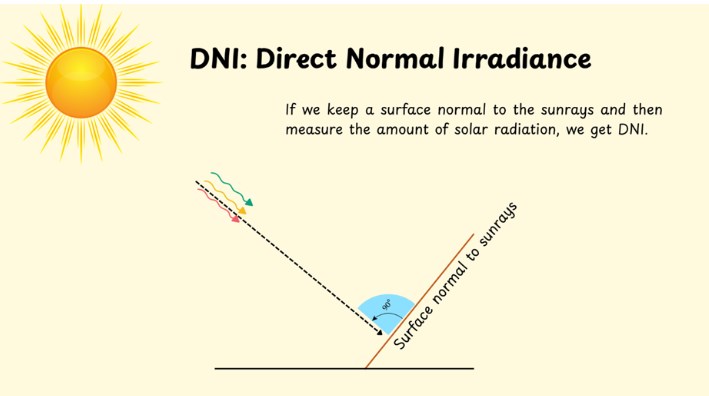
Direct Normal Irradiance (DNI) – sunlight received directly from the sun without scattering.
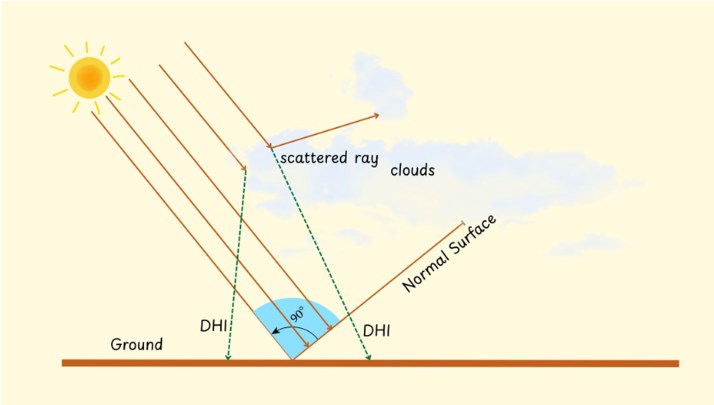
Diffuse Horizontal Irradiance (DHI) – sunlight scattered by atmospheric particles and clouds.
Global Horizontal Irradiance (GHI) – the total solar radiation received on a horizontal surface, including both direct and diffuse components.
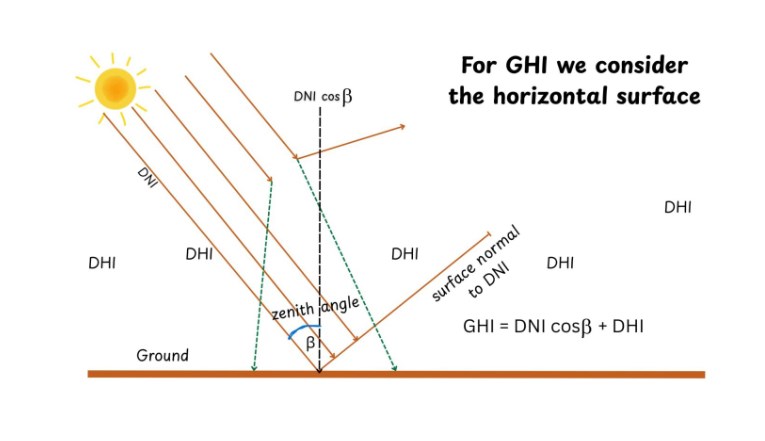
Understanding these components helps engineers determine optimal panel orientation, tilt angles, and expected system output.
Measurement Instruments
Several specialized instruments are used to measure solar irradiance.
Pyranometers
Pyranometers are scientific instruments used to measure solar irradiance, specifically the total solar radiation (Global Horizontal Irradiance – GHI) received on a flat surface. They measure both direct sunlight and diffuse sky radiation that reach the Earth’s surface.
Pyranometers measure global solar radiation on a horizontal surface. They are commonly used in meteorological stations and solar research facilities. High-quality pyranometers provide precise measurements necessary for accurate solar resource evaluation.
Pyrheliometers
Pyrheliometers are precision instruments used to measure direct solar radiation coming straight from the sun. Unlike pyranometers, which measure total solar radiation, pyrheliometers measure only the Direct Normal Irradiance (DNI) the sunlight that reaches the Earth’s surface without being scattered by the atmosphere.
Pyrheliometers measure direct normal irradiance (DNI). These instruments track the sun’s movement and measure the direct beam radiation. They are particularly useful for concentrated solar power (CSP) systems.
Sunshine Duration Sensors
These devices measure the number of hours per day when solar radiation exceeds a specific threshold. Although less precise than pyranometers, they provide useful long-term solar availability data.
Satellite-Based Measurements
Satellite observations provide large-scale solar irradiance estimates across regions where ground measurement stations are limited. These models use atmospheric conditions, cloud cover and satellite imagery to estimate solar radiation levels.
Solar Mapping and Resource Modeling
Advanced solar resource assessment often uses geographic information systems (GIS) combined with meteorological databases to create solar maps. These maps display solar potential across different regions and help planners identify optimal locations for solar farms.
Numerical models also simulate solar irradiance using atmospheric parameters such as humidity, aerosol concentration, temperature and cloud movement. These models improve the accuracy of long-term solar energy predictions.
Importance of Long-Term Data
Solar energy availability varies seasonally and geographically. Long-term datasets spanning 10-20 years are often used to estimate average solar potential. Such datasets help reduce uncertainty in energy production forecasts and improve investment decisions.
Accurate solar resource assessment ultimately reduces financial risks, improves system design and ensures maximum energy generation from solar installations.
2. Design and Sizing of Solar Photovoltaic Systems
The design and sizing of solar photovoltaic systems determine how effectively solar energy is converted into electricity. Proper system design ensures optimal performance, economic efficiency and long-term reliability.
Components of a Photovoltaic System
A typical solar PV system consists of several major components:
- Photovoltaic modules (solar panels)
- Mounting structures
- Inverters
- Charge controllers
- Energy storage systems (batteries)
- Electrical wiring and protection devices
- Monitoring and control systems
Each component must be carefully selected to match the system’s energy requirements.
Load Analysis
The first step in designing a PV system is determining the electrical load requirements. Engineers analyze energy consumption patterns including daily energy demand, peak load conditions and seasonal variations.
For residential systems, loads may include lighting, appliances and electronics. Industrial or commercial systems may require much larger power capacities.
PV Array Sizing
The PV array is the heart of the system. Its size depends on factors such as:
- Daily energy demand
- Solar irradiance levels
- System efficiency
- Loss factors (dust, temperature, wiring losses)
Engineers calculate the number of solar panels required to generate the necessary electricity while accounting for environmental and operational losses.
Panel Orientation and Tilt Angle
Solar panels must be positioned to receive maximum sunlight throughout the year. Orientation typically faces the equator (south in the northern hemisphere and north in the southern hemisphere).
The tilt angle affects solar exposure and varies depending on geographic latitude. Adjustable mounting systems may improve energy capture by tracking the sun’s movement.
Grid-Connected vs Off-Grid Systems
Solar PV systems are generally categorized into two main types.
Grid-Connected Systems
These systems are connected to the utility grid. Excess electricity generated by solar panels can be exported to the grid through net-metering mechanisms. Grid-connected systems do not always require battery storage.
Off-Grid Systems
Off-grid systems operate independently from the utility grid and require energy storage to supply electricity during nighttime or cloudy conditions. These systems are common in remote areas without grid infrastructure.
System Losses and Efficiency
Several factors reduce PV system efficiency, including:
- Temperature effects
- Dust accumulation
- Shading
- Wiring resistance
- Inverter losses
Designers must incorporate these losses into system calculations to ensure realistic performance expectations.
Proper design and sizing maximize energy production, reduce operational costs and ensure system durability over its expected lifetime.
3. Inverter Technologies and Grid Integration Standards
Inverters play a crucial role in solar energy systems by converting the direct current (DC) generated by solar panels into alternating current (AC) suitable for household appliances and electrical grids.
Types of Solar Inverters
Central Inverters
Central inverters are typically used in large solar power plants. Multiple solar arrays connect to a single high-capacity inverter. While cost-effective for utility-scale projects, central inverters can reduce system flexibility.
String Inverters
String inverters connect several panels in series (a string) to one inverter. They are commonly used in residential and commercial installations due to their reliability and moderate cost.
Microinverters
Microinverters are installed on individual solar panels. Each panel operates independently, improving energy output in cases of shading or panel mismatch.
Power Optimizers
Power optimizers work with string inverters to improve panel-level performance. They optimize voltage and current before sending power to the central inverter.
Maximum Power Point Tracking (MPPT)
Solar panels have a specific operating point where they generate maximum power. MPPT technology continuously adjusts electrical parameters to ensure panels operate at their optimal efficiency.
MPPT significantly improves energy output, especially under varying sunlight conditions.
Grid Integration Challenges
Integrating solar energy into the electrical grid presents several technical challenges:
- Voltage fluctuations
- Frequency stability
- Intermittent power generation
- Reverse power flow
Advanced inverter technologies help address these challenges by stabilizing output power and coordinating with grid management systems.
Grid Standards and Regulations
To ensure safe and reliable grid integration, solar systems must comply with established technical standards. These standards define requirements for:
- Voltage regulation
- Power quality
- Anti-islanding protection
- Frequency control
- Communication protocols
Compliance with grid standards ensures solar systems operate safely without disrupting existing electrical infrastructure.
4. Energy Storage Systems for Solar Applications
One of the biggest challenges of solar energy is intermittency. Solar panels generate electricity only when sunlight is available. Energy storage systems solve this problem by storing excess energy for later use.
Importance of Energy Storage
Energy storage enhances solar system reliability by providing electricity during:
- Nighttime hours
- Cloudy weather conditions
- Grid outages
- Peak demand periods
Storage systems also improve grid stability by balancing supply and demand.
Battery Technologies
Several battery technologies are used in solar applications.
Lead-Acid Batteries
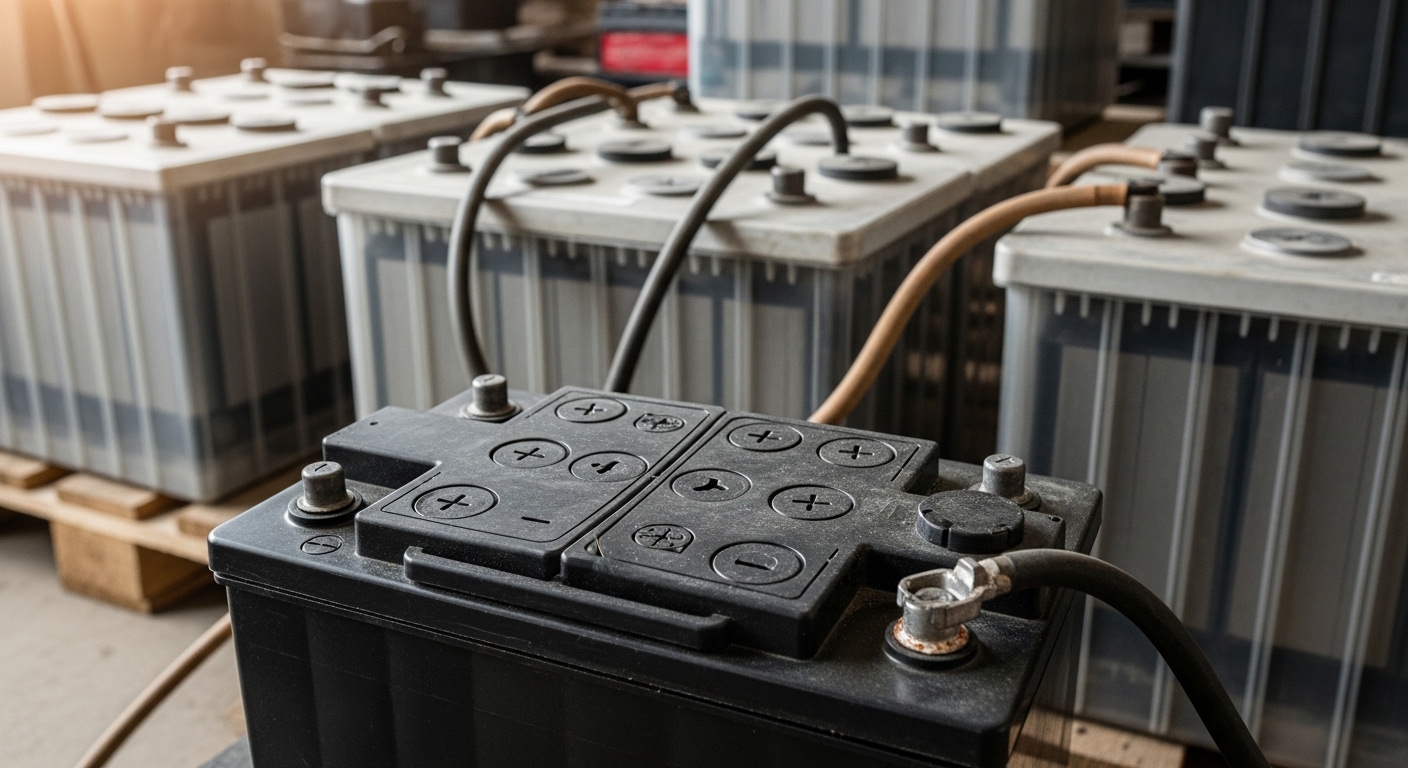
Lead-acid batteries are among the oldest and most widely used energy storage technologies. They are relatively inexpensive but have shorter lifespans and lower energy density compared to newer technologies.
Lithium-Ion Batteries
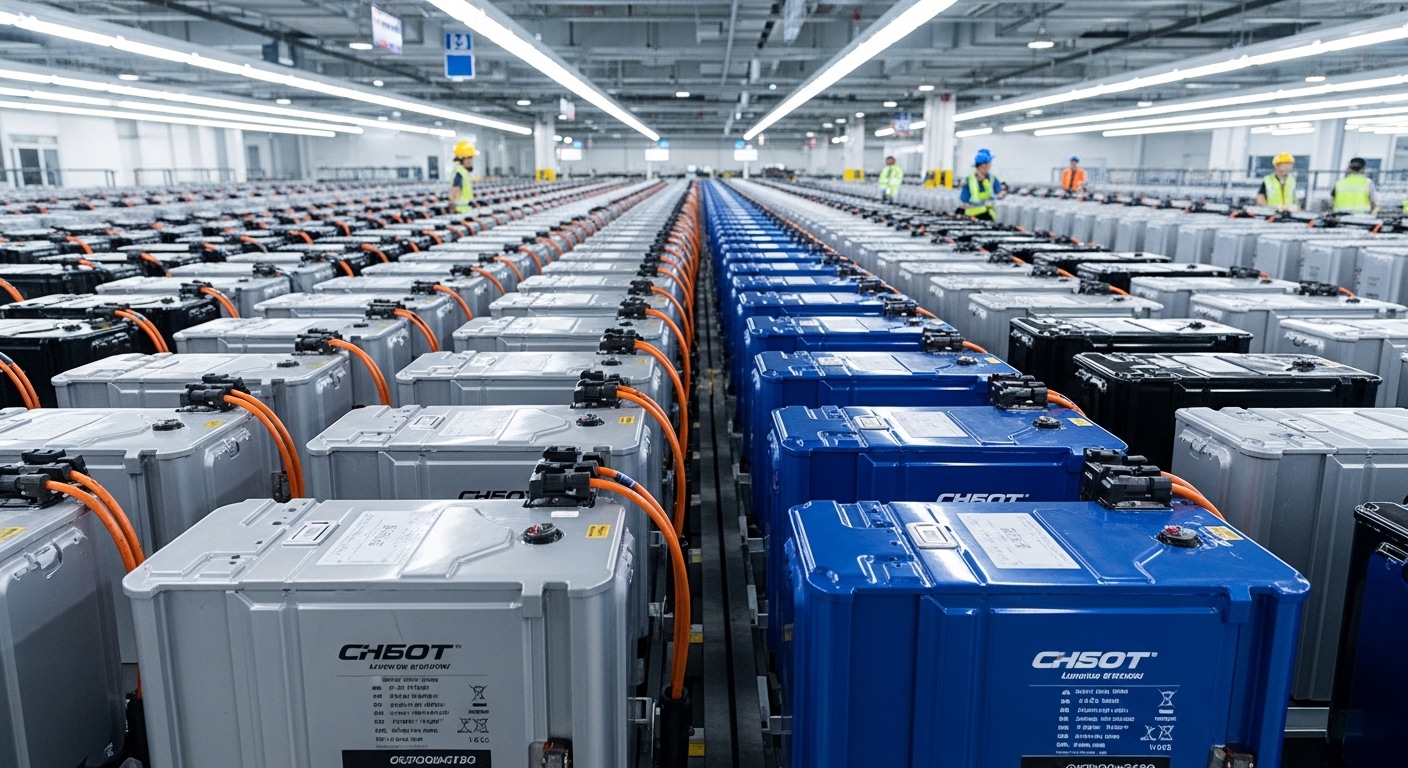
Lithium-ion batteries have become the dominant technology in modern solar systems. They offer high energy density, longer cycle life, and faster charging capabilities.
Flow Batteries
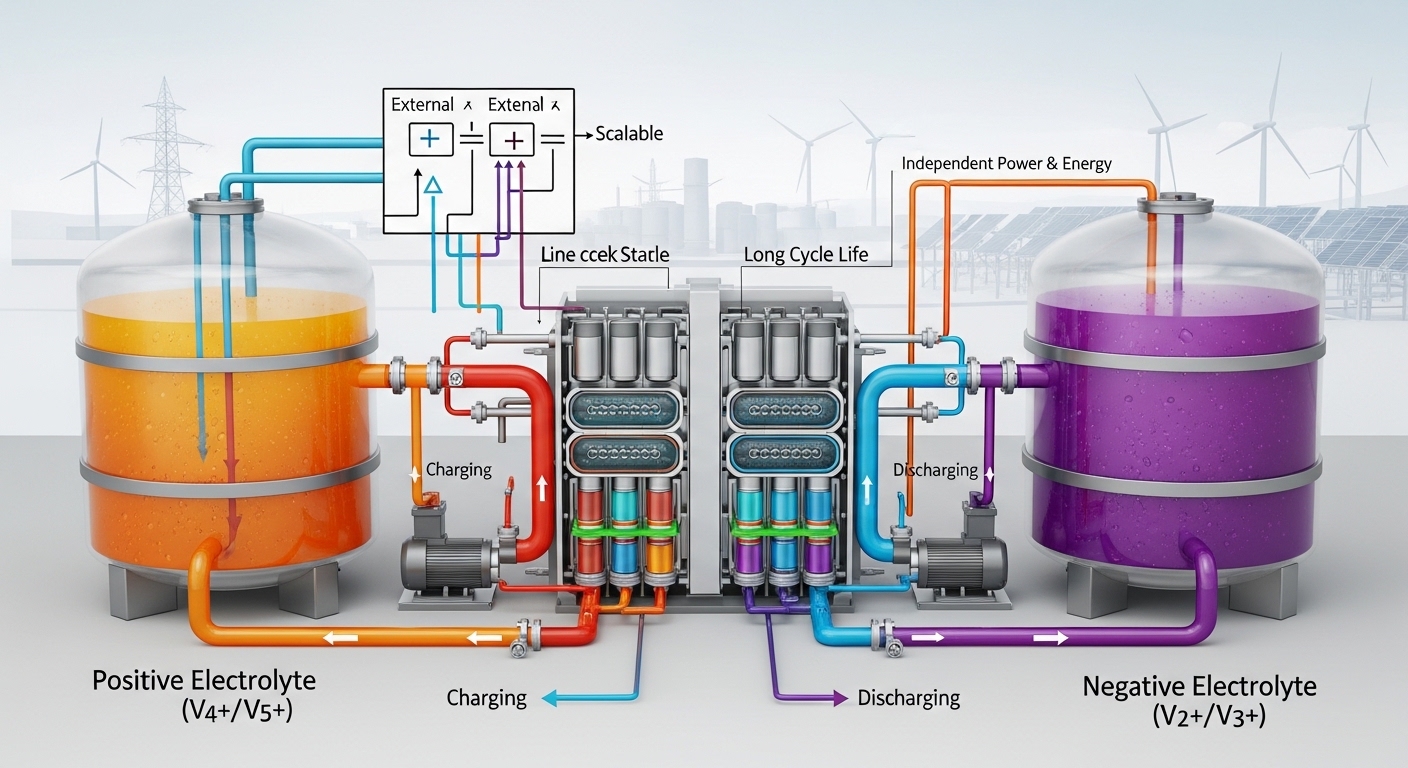
Flow batteries use liquid electrolytes stored in external tanks. They are well suited for large-scale energy storage applications due to their scalability and long operational lifetimes.
Sodium-Based Batteries
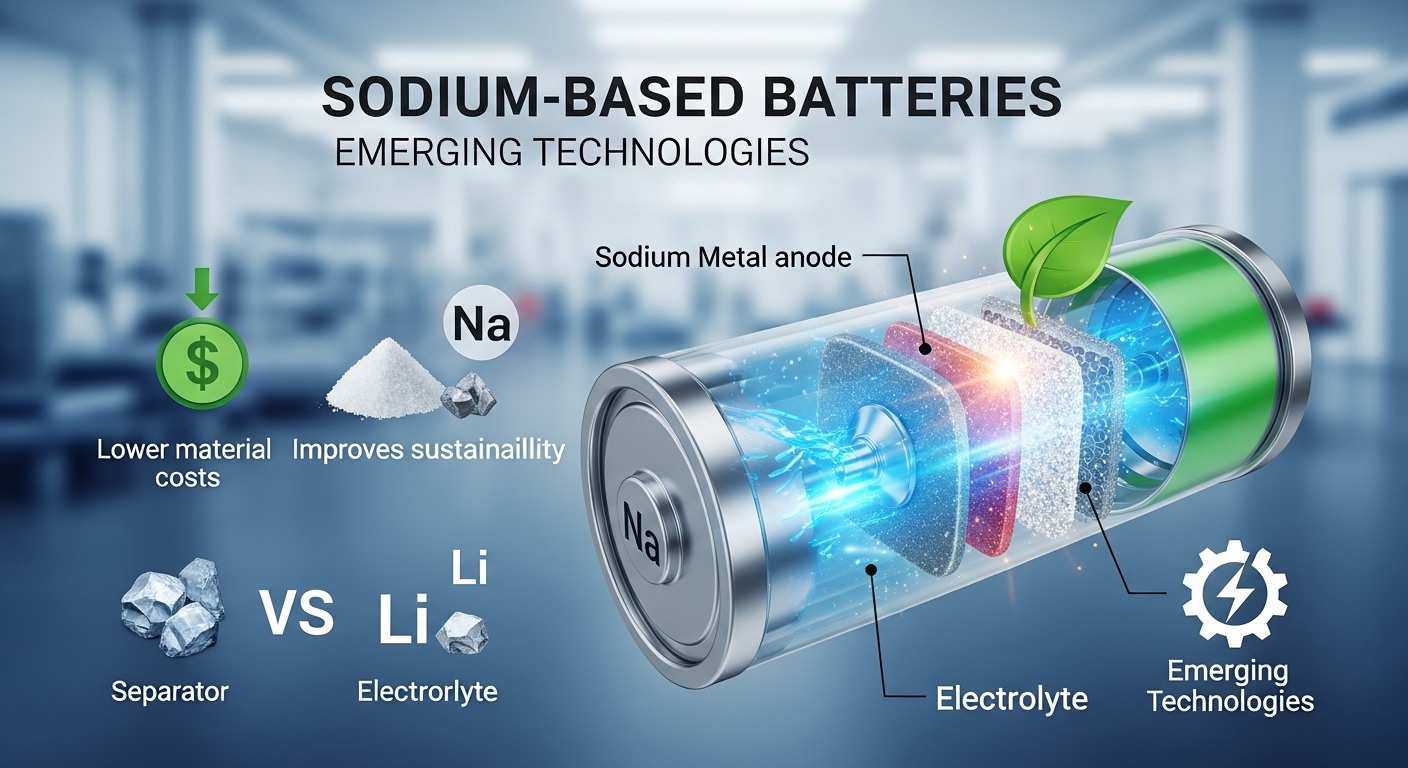
Emerging sodium-based battery technologies offer lower material costs and improved sustainability compared to lithium-based systems.
Hybrid Energy Storage Systems
Hybrid storage systems combine multiple storage technologies to optimize performance. For example, batteries may be combined with supercapacitors to provide both long-term storage and rapid response capabilities.
Battery Management Systems (BMS)
Battery management systems monitor and control battery performance by regulating:
- Voltage levels
- Charging rates
- Temperature conditions
- State of charge
Effective BMS technology prevents battery damage and improves system safety.
Energy storage systems are essential for maximizing the benefits of solar energy and enabling reliable renewable energy systems.
5. Reliability, Degradation and Thermal Effects in PV Systems
Long-term reliability is a critical factor in solar energy systems, which are expected to operate for 20–30 years. However, various environmental and operational factors affect photovoltaic system performance over time.
PV Module Degradation
Solar panels gradually lose efficiency as they age. This process is known as degradation. Typical degradation rates range between 0.5% and 1% per year.
Common causes include:
- UV radiation damage
- Moisture infiltration
- Mechanical stress Electrical
- Material fatigue
Potential Induced Degradation (PID)
PID occurs when high voltage differences cause leakage currents within the PV module. This effect can significantly reduce energy output if not properly controlled.
Thermal Effects
Solar panel performance decreases as temperature increases. High temperatures reduce voltage output and overall system efficiency.
Thermal management strategies include:
- Proper panel spacing for ventilation
- Reflective mounting materials
- Heat-resistant module designs
Soiling and Environmental Impacts
Dust, dirt, bird droppings, and pollution can accumulate on solar panels and reduce sunlight absorption. Regular cleaning and maintenance improve system performance.
Extreme weather events such as hail, heavy winds, and snow also pose challenges for PV system durability.
Monitoring and Maintenance
Modern solar systems use monitoring software to track performance and detect faults. Data analytics and predictive maintenance help operators identify potential failures before they occur.
Improving reliability and reducing degradation ensures that solar systems maintain high efficiency throughout their operational lifetime.
6. Emerging Trends and Future Research in Solar Energy Systems
The future of solar energy lies in continuous technological innovation. Researchers and engineers are exploring advanced materials, improved system architectures, and smarter energy management solutions.
Perovskite Solar Cells
Perovskite materials have attracted significant attention due to their high efficiency and low manufacturing cost. Laboratory prototypes have achieved efficiencies exceeding 25%, making them promising candidates for next-generation solar panels.
Tandem Solar Cells
Tandem solar cells combine multiple photovoltaic materials to capture different wavelengths of sunlight. This approach significantly increases conversion efficiency compared to traditional single-junction silicon cells.
Floating Solar Farms
Floating photovoltaic systems are installed on water bodies such as reservoirs and lakes. These systems reduce land usage while improving efficiency due to cooling effects from water surfaces.
Solar Tracking Systems
Advanced tracking systems allow solar panels to follow the sun’s movement throughout the day. Single-axis and dual-axis trackers can increase energy production by 20–40% compared to fixed installations.
Artificial Intelligence in Solar Energy
Artificial intelligence and machine learning are transforming solar energy management. AI algorithms analyze weather forecasts, energy demand patterns, and system performance to optimize solar energy production and storage.
Smart Grid Integration
Future energy systems will rely on smart grids capable of managing distributed renewable energy sources. Solar systems will communicate with grid infrastructure in real time to balance electricity supply and demand.
Solar Hydrogen Production
Solar energy can also be used to produce hydrogen through water electrolysis. Solar hydrogen is considered a promising clean fuel for transportation and industrial applications.
Sustainable Manufacturing
Researchers are developing environmentally friendly solar panel manufacturing processes that reduce energy consumption and minimize waste.
These emerging technologies will play a crucial role in expanding solar energy adoption worldwide.
Conclusion
Advanced solar energy conversion technologies are transforming the global energy landscape. As the demand for clean and sustainable energy grows, solar power continues to emerge as a reliable and scalable solution. However, maximizing the potential of solar energy requires a comprehensive understanding of multiple interconnected technologies.
Solar resource assessment provides the foundation for evaluating energy potential and identifying optimal installation sites. Accurate irradiance measurement techniques and solar modeling tools ensure reliable energy production forecasts. Proper design and sizing of photovoltaic systems further enhance performance and cost-effectiveness.
Inverter technologies and grid integration standards enable solar systems to operate safely and efficiently within modern electrical networks. Energy storage systems address the challenge of intermittency, allowing solar energy to be used even when sunlight is unavailable.
Ensuring system reliability through proper maintenance, monitoring, and understanding degradation mechanisms is essential for maintaining long-term efficiency. At the same time, emerging research areas such as perovskite solar cells, smart grids, artificial intelligence, and solar hydrogen production promise to revolutionize solar energy technologies in the coming decades.
The continued advancement of solar energy systems will play a critical role in reducing greenhouse gas emissions, enhancing energy security, and promoting sustainable development worldwide. By integrating innovative technologies and improving system performance, solar energy will remain a cornerstone of the global transition toward a clean and renewable energy future.
FAQ:
Q1. What is Direct Normal Irradiance (DNI)?
Ans: DNI is the solar radiation received directly from the sun on a surface that is always perpendicular (90°) to the sun’s rays. It excludes any scattered or reflected light.
Q2. What is Diffuse Horizontal Irradiance (DHI)?
Ans: DHI is the portion of sunlight that reaches the earth after being scattered by clouds, dust, and air molecules, coming from all directions in the sky.
Q3. Define Global Horizontal Irradiance (GHI).
Ans: GHI is the total solar radiation received on a horizontal surface, including both direct and diffuse components.
Q4. What is the relationship between GHI, DNI, and DHI?
Ans: GHI is calculated as:
GHI = DHI + DNI × cos(θ)
where θ is the solar zenith angle.
Q5. Which type of irradiance is most important for rooftop solar panels?
Ans: GHI is most important because rooftop panels are usually fixed and receive both direct and diffuse sunlight.
Q6. Why is DNI important in solar energy systems?
Ans: DNI is crucial for systems that use focused sunlight, such as Concentrated Solar Power (CSP), solar cookers, and solar tracking systems.
Q7. Can photovoltaic (PV) panels utilize both DNI and DHI?
Ans: Yes, standard PV panels can absorb both direct (DNI) and diffuse (DHI) sunlight, making them effective even in partially cloudy conditions.
Q8. Which irradiance component dominates on cloudy days?
Ans: DHI becomes dominant on cloudy days because sunlight is scattered by clouds and the atmosphere.
Q9. Why is understanding solar irradiance important?
Ans: It helps in estimating energy generation, selecting proper panel tilt, and choosing the best installation site.
Q10. Which irradiance is highest during clear sky conditions?
Ans: DNI is highest on clear sunny days because sunlight reaches directly without much scattering.
Related Article:
How do solar panels work? Types of solar cells, Solar power explained
Basic Concept of Hybrid solar system
What Is an Off-Grid Solar System and How Does It Work?
The Complete Guide to Installing an On-Grid Solar System
Battery Storage and Inverter Technologies in Solar Home Systems
Renewable Energy Systems – Solar Energy
Solar System MCQ-001